Can You Trace an SMS Bomber? How to Find the Sender Legally
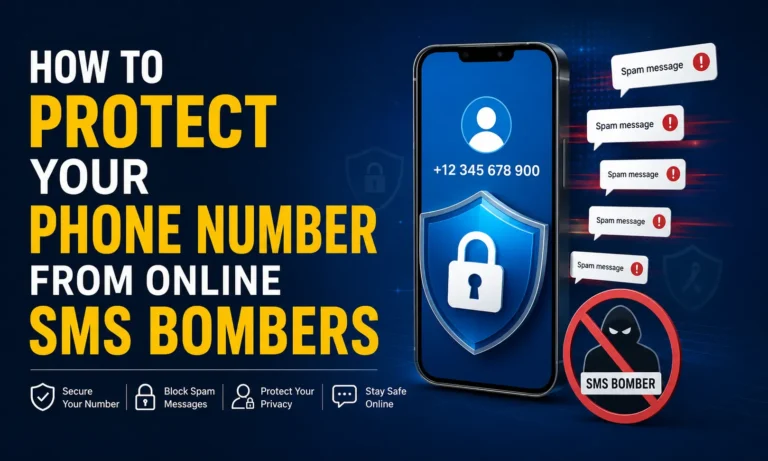
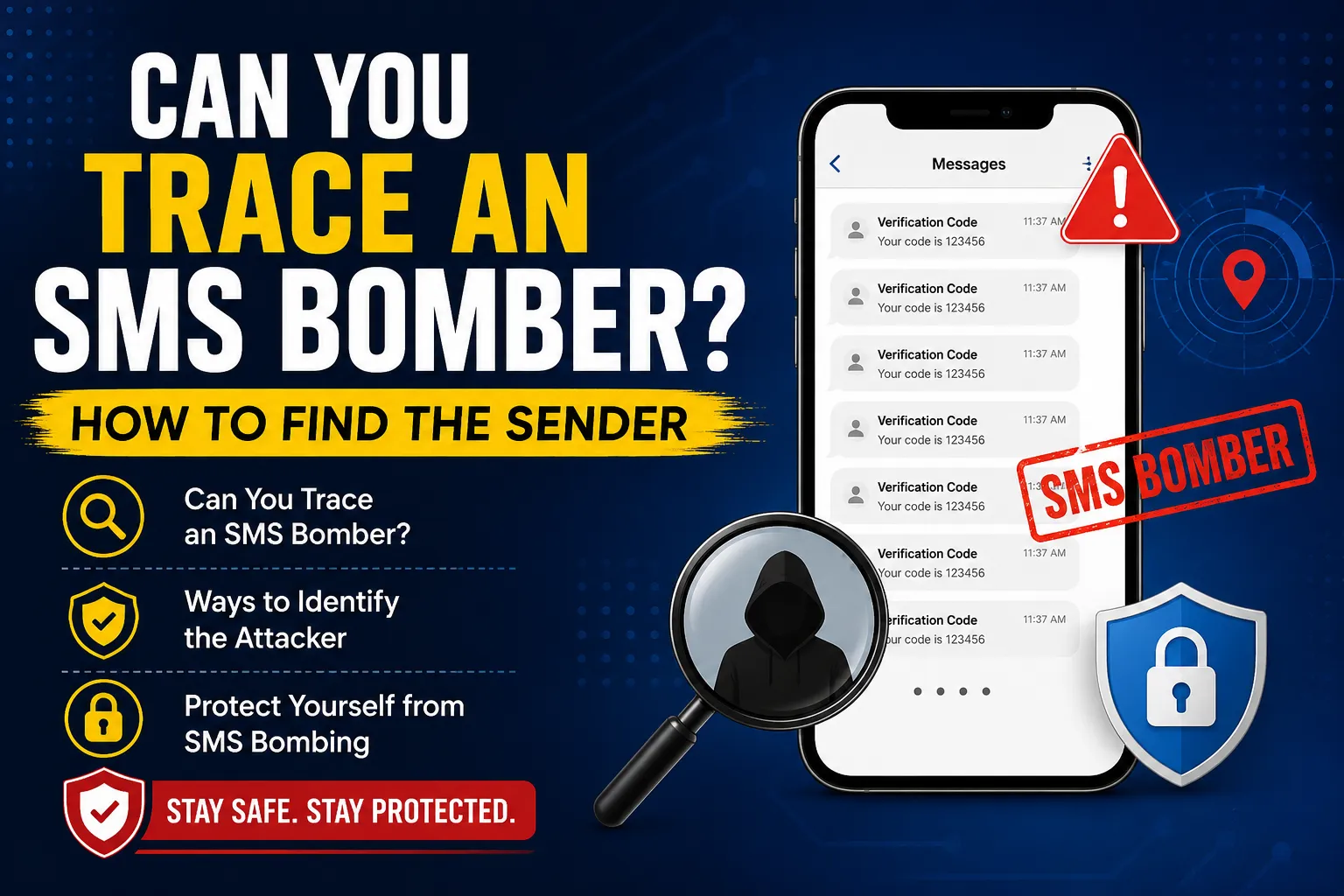
Receiving dozens or even hundreds of unexpected text messages within minutes can be frustrating and alarming. Whether they’re OTP verification codes, promotional texts, or random alerts, this type of message flood is often caused by an SMS bombing attack. In that situation, many people immediately ask: Can you trace an SMS bomber and find the sender?
The reality is that tracing an SMS bomber isn’t as straightforward as tracking a normal phone number. Attackers often use automated tools, multiple online services, VPNs, and other methods to hide their identity. While an ordinary user usually can’t identify the person responsible, mobile carriers, online platforms, and law enforcement may be able to investigate the source in certain cases.
In this guide, we’ll explain how SMS bomber tracing works, whether it’s actually possible to find the sender, what evidence can help an investigation, and the legal options available if you’re repeatedly being targeted.
What Is an SMS Bomber?
An SMS bomber is a tool or script that repeatedly sends SMS messages to a single phone number within a short period. Instead of sending messages directly, many SMS bombers abuse legitimate websites that send OTPs, verification codes, or promotional SMS messages.
The result is a massive flood of texts that can make your phone difficult to use.
Can You Trace an SMS Bomber?
The answer depends on who is trying to trace it.
| Person | Can They Trace It? |
| Regular user | Usually No |
| Mobile carrier | Sometimes |
| Website owners | Yes (limited logs) |
| Law enforcement | Often Yes (with legal authority) |
Most victims cannot identify the sender themselves because the messages usually come from many legitimate companies rather than one phone number.
Why SMS Bombers Are Difficult to Trace
There are several reasons tracing an SMS bomber is challenging:
1. They Don’t Send SMS Directly
Many SMS bombers trigger OTP requests from different websites instead of sending messages from their own number.
That means every SMS appears to come from a legitimate company.
2. They Use VPNs
Attackers often hide their real IP address using VPN services.
This makes it difficult for websites to determine the user’s real location.
3. Temporary Email Addresses
Many SMS bombing tools use disposable email accounts when creating fake requests.
These accounts disappear after use.
4. Multiple Services
Instead of abusing one website, attackers may use hundreds of websites at once.
This spreads the traffic across many platforms.
5. Public SMS Bombing Scripts
Some attackers download ready-made SMS bomber scripts from the internet.
These scripts automatically send requests through dozens or hundreds of APIs.

Can Your Mobile Carrier Find the Sender?
Sometimes.
Your mobile carrier can usually see:
- When SMS messages arrived
- Which SMS gateways delivered them
- Delivery records
- Traffic patterns
However, if the messages originated from many different companies, the carrier usually cannot immediately identify the individual who triggered them.
In serious harassment cases, carriers may cooperate with law enforcement.
Can Websites Trace an SMS Bomber?
Yes—more effectively than victims can.
Most websites keep server logs that may include:
- IP address
- Browser information
- Request timestamps
- Device fingerprints
- Rate-limit violations
- Geographic region
If the attacker didn’t hide properly, these logs may help identify them.
Can Police Trace an SMS Bomber?
In serious cases, yes.
If the SMS bombing involves:
- Harassment
- Cyberstalking
- Extortion
- Threats
- Business disruption
- Financial fraud

law enforcement may request logs from:
- Mobile carriers
- Website operators
- Hosting providers
- Internet service providers (ISPs)
By combining these records, investigators may be able to identify the responsible person, even if they attempted to hide behind anonymizing services.
Many websites also follow OWASP security best practices to reduce abuse, strengthen authentication systems, and protect SMS verification services from automated attacks.
Can You Find the Sender Yourself?
In most situations, no.
Avoid websites or apps that claim they can reveal the identity of an SMS bomber. These services are often inaccurate, misleading, or may collect your personal information.

Instead, focus on gathering useful evidence and reporting the incident through the proper channels.
What Evidence Should You Collect?
If you’re experiencing repeated SMS bombing attacks, save as much information as possible:
- Screenshots of the messages
- Dates and times
- Number of messages received
- Sender IDs
- OTP service names
- Any suspicious emails or calls received around the same time
This information can help your mobile carrier or relevant authorities investigate the issue.
What Should You Do If Someone Keeps SMS Bombing You?
Follow these steps:
1. Don’t Respond
Never reply to suspicious SMS messages or verification codes.
2. Enable Spam Protection
Use your phone’s built-in spam filtering features.
3. Report to Your Mobile Carrier
If the attacks continue, contact your network provider and explain that you’re receiving repeated unwanted SMS messages.
4. Contact Affected Services
If most messages come from a specific company, inform their support team so they can investigate possible abuse of their verification system
5. File a Police Report
If the attacks become persistent, threatening, or part of a broader harassment campaign, report to your local cybercrime or law enforcement authorities. If you’re in the United States, you can also report unwanted text message scams through the Federal Trade Commission.
Can SMS Bombing Be Illegal?
Yes.
The legal status depends on the country, but repeated SMS bombing may violate laws related to:
- Harassment
- Unauthorized use of online services
- Cybercrime
- Denial-of-service attacks
- Fraud or misuse of communication systems
Even if someone considers it a prank, repeatedly targeting another person’s phone can result in legal consequences.
How to Reduce Future SMS Bombing Risks
You can lower the chances of becoming a target by:
- Avoid sharing your phone number publicly.
- Use your number only on trusted websites.
- Enable spam filtering features.
- Be cautious when entering your phone number in online forms.
- Monitor unusual verification requests.
- Report repeated abuse to service providers.
Website owners can use Cloudflare Rate Limiting to block excessive OTP and SMS requests before they reach their servers.

Frequently Asked Questions (FAQs)
Can I trace an SMS bomber using my phone?
No. Phones do not provide the tools needed to identify the person responsible for an SMS bombing attack.
Can police identify an SMS bomber?
Yes, in some cases. With appropriate legal authority, investigators may obtain records from carriers, websites, and service providers to help identify the source.
Can VPNs completely hide an SMS bomber?
Not always. VPNs make tracing more difficult, but investigators may still identify a suspect through server logs, account activity, or other digital evidence.
Can I report an SMS bombing attack?
Yes. You can report ongoing attacks to your mobile carrier, the affected websites, or your local cybercrime authorities if the behavior is persistent or threatening.
Conclusion
So, can you trace an SMS bomber? For most individuals, the answer is not directly. Attackers often rely on multiple websites, VPNs, and automated tools that make them difficult to identify. However, mobile carriers, website operators, and law enforcement agencies may be able to trace the source in serious cases using technical logs and legal procedures.
If you’re experiencing repeated SMS bombing, focus on preserving evidence, reporting the incident through official channels, and strengthening your phone’s spam protection rather than trying to track the sender yourself.